Australian soil is among the poorer soils in the world. Well, biology class, everyone — let’s remember how unique and challenging our landscapes are.
The Australian continent is vast and home to a wide variety of beautiful plant species found across its regions. Many gardeners choose native Australian plants for their gardens because of these plants’ remarkable hardiness and adaptability to the country’s diverse environments. You often hear that phosphorus-rich fertilisers should be avoided with native plants because they are sensitive to that particular nutrient. This is partly true: not every species on the continent is phosphorus-sensitive, but Australia’s soils are generally very low in phosphorus, and this scarcity has driven some plant species to evolve specialised root systems and strategies to extract the small amounts of phosphorus available.
The main reason Australian soil is so poor is that volcanic activity on this continent has long been extinct; in other words, the fresh minerals and nutrients typically added to soil by eruptions are no longer being replenished. On top of that, the continent receives intense UV radiation for much of the year, and this relentless sunlight can harm soil microorganisms, both beneficial and harmful. With limited nutrients and constant UV stress, these tiny lifeforms struggle to survive, and as their numbers decline the soil loses fertility, setting off a snowball effect where one problem amplifies the next. Additionally, Australia is essentially a massive island surrounded by ocean, and much of the groundwater and subsurface influence is saline; higher soil salinity further challenges microbial life and makes it difficult for many plant species to thrive, forcing those that do persist to adapt to harsher conditions.
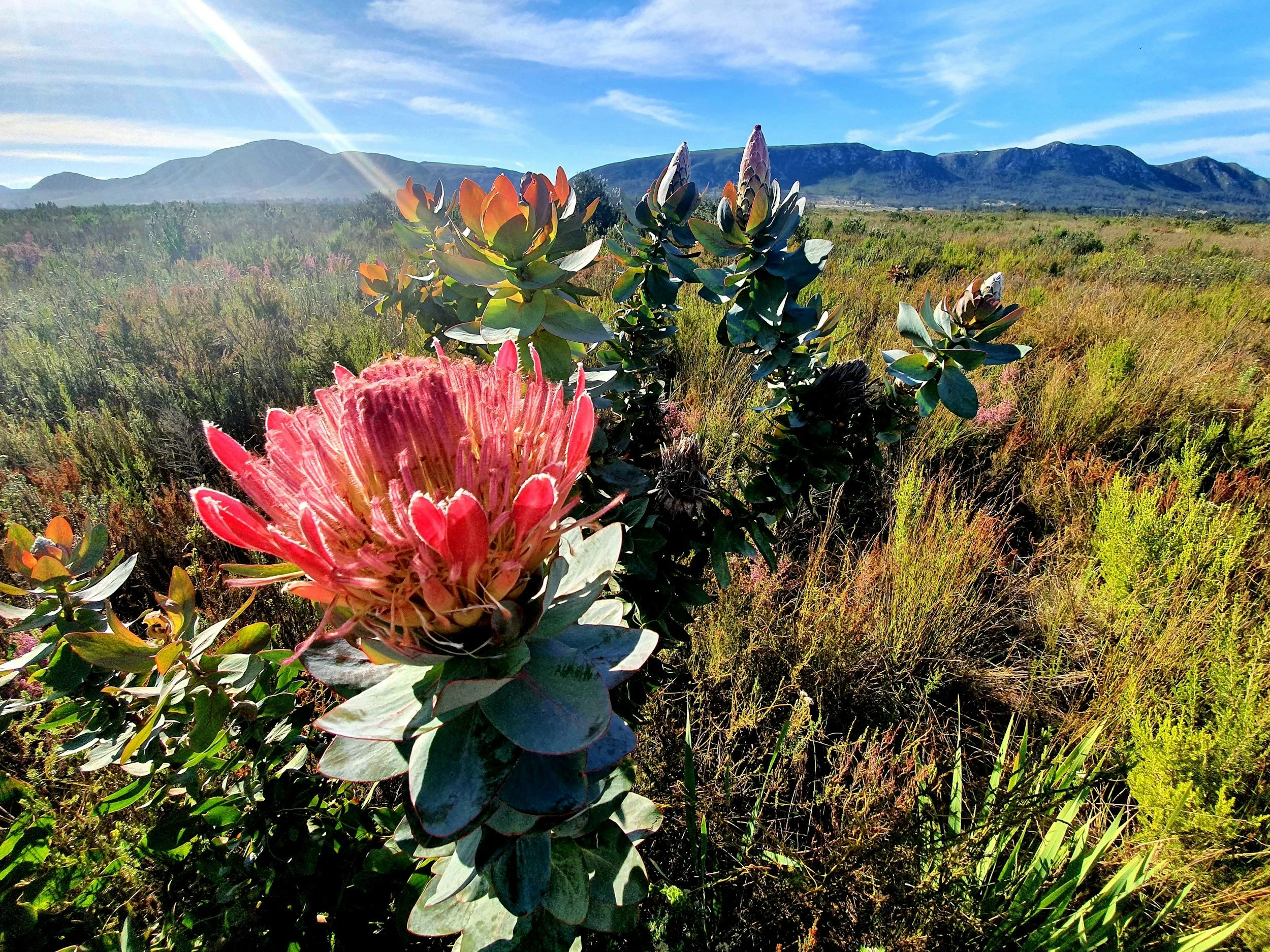
Since the soil in many Australian landscapes is naturally low in nutrients, members of the Proteaceae family — such as Banksia, Grevillea, Waratah and others — have evolved highly specialised root systems that efficiently extract and absorb the scarce phosphorus available in poor soils. Because of these unique adaptations, they are particularly sensitive to phosphorus-rich fertilisers and can be harmed by overfeeding, so avoid giving them heavy or frequent doses of these types of plant food. Other plant families, however, still require a healthy supply of phosphorus for strong growth, vigorous foliage and abundant flowering, so don’t be afraid to provide appropriate, balanced phosphorus fertiliser to those species when needed, applied carefully and in moderation.